Coll Baix beach, Mallorca. How to get there on foot or by boat and what to expect
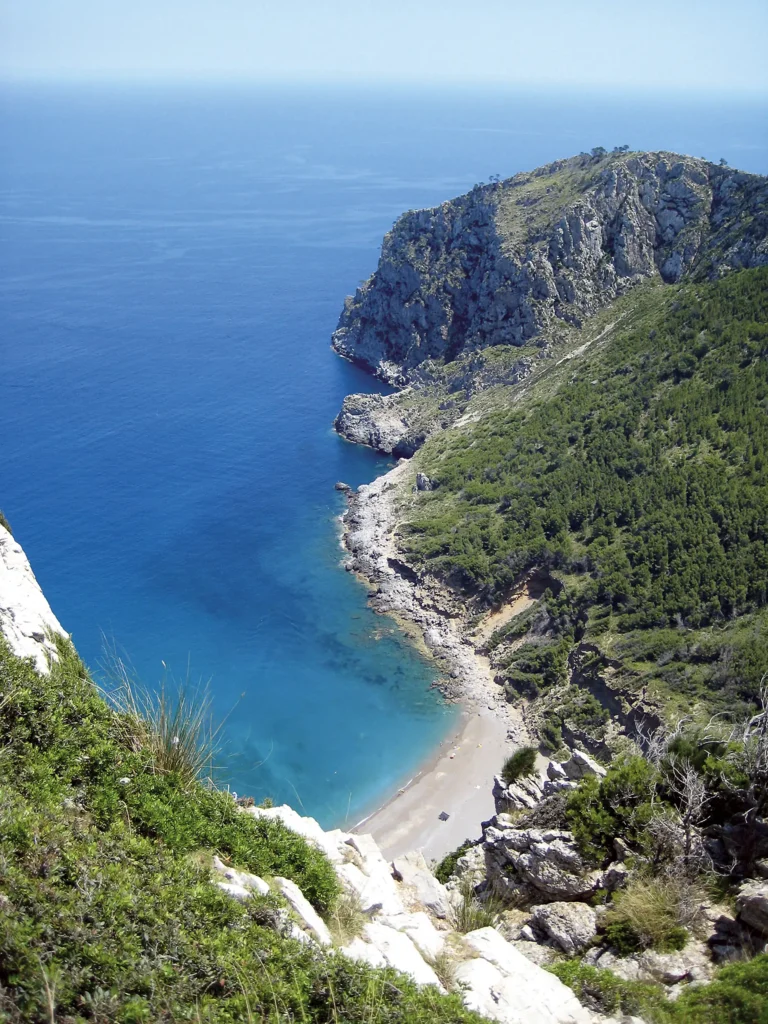
The beach is large for an unspoilt cove: around 300 metres of pebbles and fine gravel, with turquoise water that gets deep within just a few metres and cliffs that close off the horizon. There is no beach bar and no lifeguard. What you do find is silence, wild goats that come down to the shore and a seabed with good visibility.
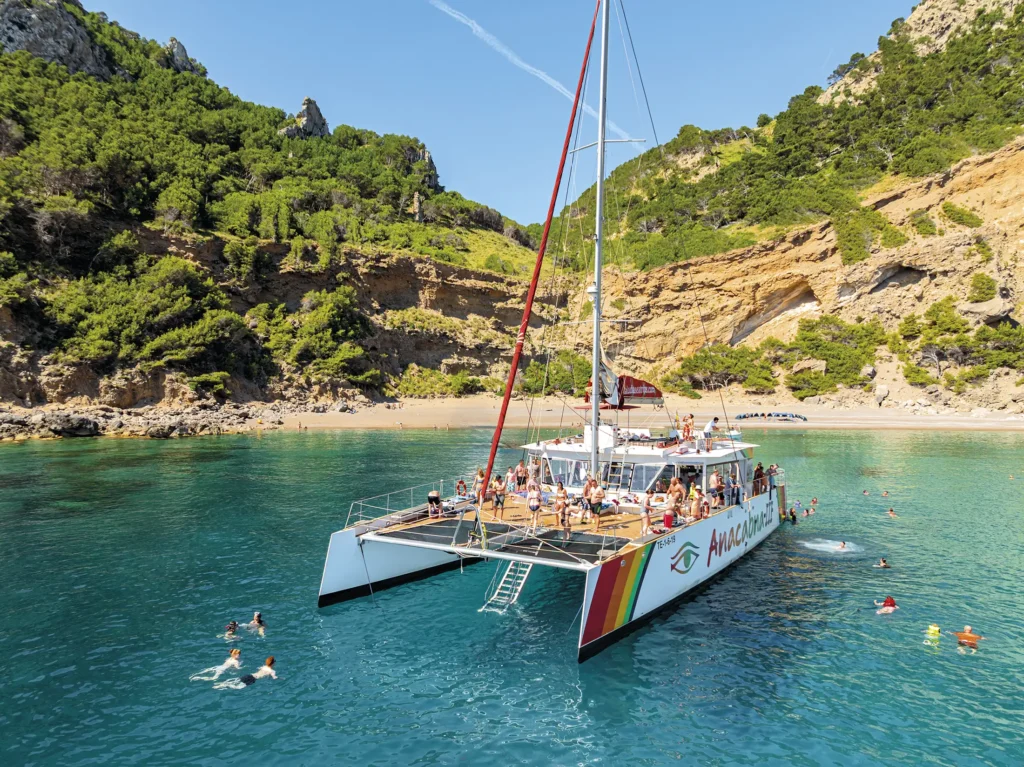
For those who prefer to avoid the walk, several of our boat trips from the Port of Alcúdia stop at Coll Baix.
Where is Coll Baix?
How to get there
By car and on foot
From Alcúdia, take the road towards Bonaire or the Fundació Ben Jakober until you reach the Cap des Pinar recreational area. The final stretch is a dirt track; follow the signs towards Bonaire and not the alternative via Camí de S’Alou, which is narrow and has sharp bends.
At the end, there is an open area where you can park. A chain prevents cars from continuing any further. Parking is free but limited, and in our experience it fills up before 9:30 am in high season, so it is worth setting off with time to spare. A few minutes away on foot is the Coll Baix refuge, with a toilet and picnic tables.
From the refuge, the path to the beach begins. The first part is a wide, signposted path through pine trees, with a gentle slope. The last few hundred metres change: you have to descend over loose rock, with quite a steep slope, using your hands for support in some sections. It is not suitable for sandals or for people with reduced mobility. The descent to the beach takes around 25-30 minutes; the climb back up, especially in the heat, feels harder.
By boat
For us, arriving by boat is the most comfortable option and the one that gives the best perspective of the cliffs of La Victòria. From land, the spectacular setting of the cove is not appreciated in the same way as from the water. The cove has an anchoring area and the visibility of the seabed is good.
From the Port of Alcúdia, several of our boat trips stop at Coll Baix. The sailing catamaran and the glass-bottom boat have a fixed stop here. On the dolphin-watching trip, the stop at Coll Baix depends on the conditions of the day. Private boat tours also usually include it.
You can also reach it by kayak or paddleboard from nearby beaches such as Alcanada or Mal Pas, adding the coastal crossing to the visit.
What is the beach like?
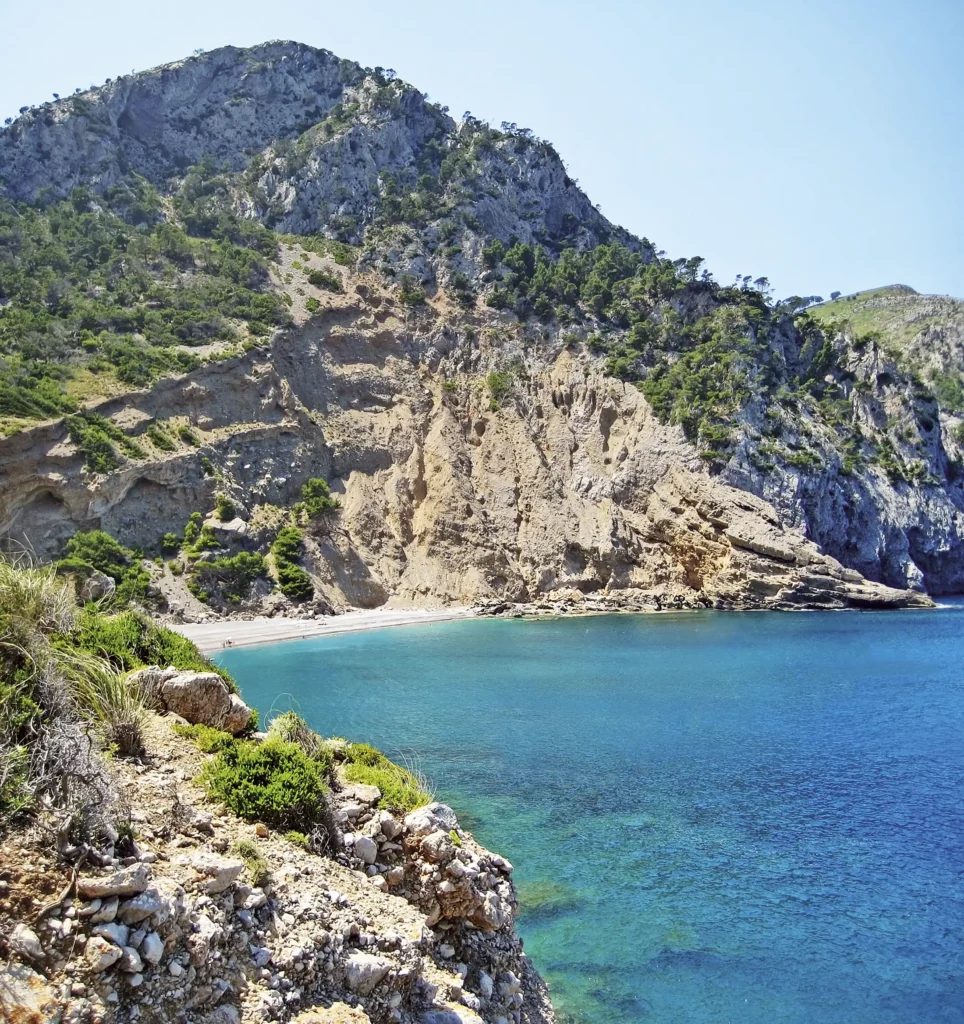
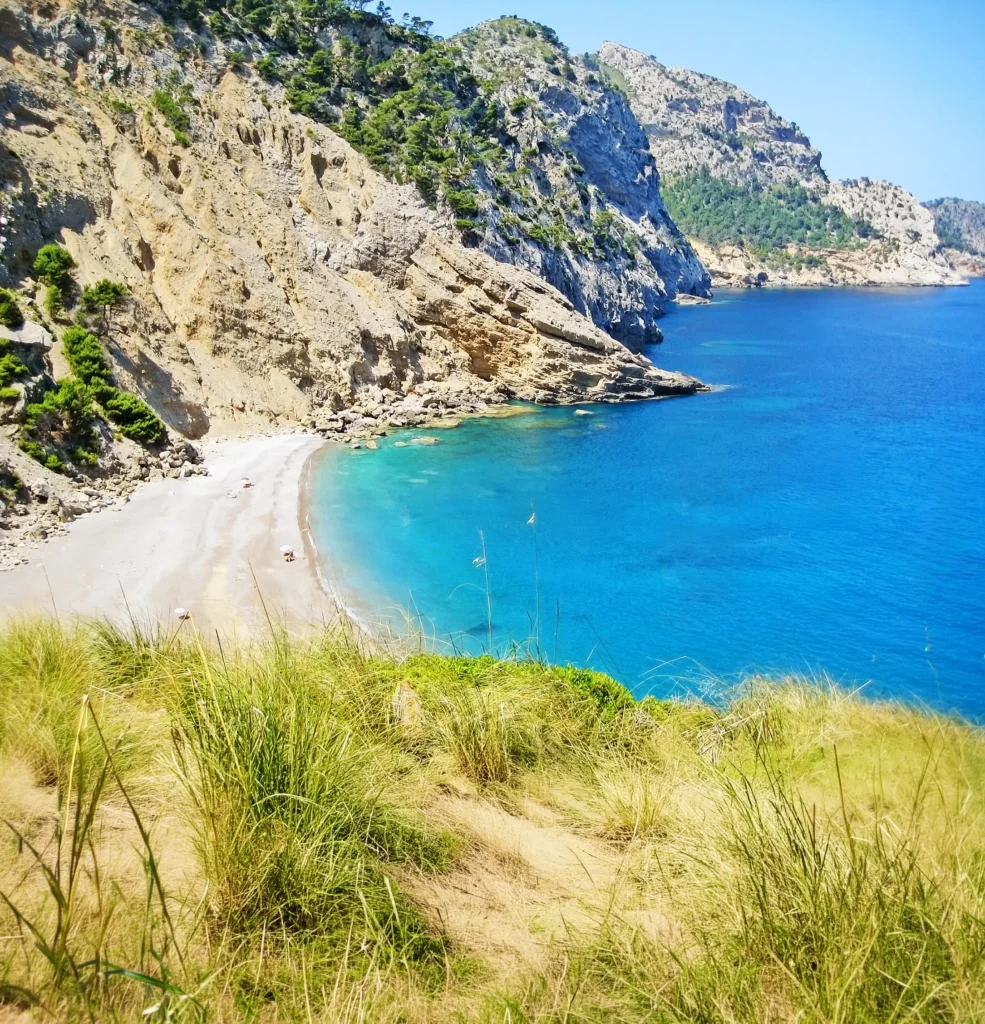
Coll Baix is large for an unspoilt cove: around 300 metres long and 80 metres wide, tucked between cliffs and pine forest. The ground is made up of pebbles and fine gravel, more comfortable than large stones but less comfortable than sand. There is plenty of space to spread out, even on busier days.
The water is turquoise near the shore and quickly turns dark blue: the seabed drops fast. Visibility is good; on calm days, you can see the bottom at 15-20 metres. There is no shade on the beach. The pine trees are higher up, on the edge of the cliff.
On the path and along the shore, it is common to come across wild goats that come down in search of water. Do not feed them.
What to do in Coll Baix
For us, snorkelling is the main reason to go to Coll Baix. The clear water and rocky seabed with posidonia offer good marine life, and the most interesting area is on the right-hand side of the beach, near the cliffs, where the rock creates more corners to explore. We recommend bringing water shoes for getting in, because the seabed from the shore is uneven.
The access path is also interesting in its own right. You can extend the route by combining the descent to the beach with longer hikes that include the Ermita de la Victòria, the Talaia de Alcúdia or Cova Tancada: half-day routes with views over the Bay of Pollença and the northern coast.
Arriving by kayak from Alcanada or Mal Pas is another way to visit, although the crossing is long and you have to take sea conditions into account. The embat, the sea breeze that usually picks up from midday, can make the La Victòria coast quite choppy between 12:00 and 5:00 pm. We recommend leaving early to take advantage of the calm morning and to be back before the wind picks up.
Available facilities
None on the beach. The Coll Baix refuge has a toilet, but it is closed to the general public and can only be used by those who have a booking at the refuge.
If you are going to spend several hours there, it is best to arrive fully prepared: enough water and food, sun protection and a parasol, hiking shoes for the path and water shoes for the sea, a mat for the pebbles, and a bag to take your rubbish away. There is no supply point at Coll Baix, and the climb back up in the heat feels longer than it seems.
Camping is not allowed. Dogs are allowed, but they must be kept under control.
When to go to Coll Baix beach
From May to October, the water is at a good temperature and the days are long. In July and August, the beach receives more visitors, although the access keeps visitor numbers fairly low and it rarely becomes overcrowded. On summer weekends, more boats may anchor in front of the shore.
If you can choose, in our opinion September and October are the best months: the water is still warm, there are fewer people and the walk is noticeably more manageable than in August thanks to the softer light and lower temperatures. Early in the morning or at sunset, both the path and the beach are also much more enjoyable.
Practical tips
Hiking shoes, not flip-flops. The final metres of the path have loose rock and a steep slope, and with flip-flops you slip and tire more quickly.
Bring only what you need. The climb back up with extra weight feels long, especially in the heat. Take a small bag, enough water and only the essentials.
In our experience, the car park fills up before 9:30 am in high season.
Do not feed the goats. They often come down to the shore and approach without fear, but human food can be toxic for them and also makes them insistent and annoying with anyone who feeds them.
For older children used to hiking, the route is doable. For younger children or those without hiking experience, Alcúdia beach or Alcanada are more comfortable options.
Frequently asked questions
How do you get to Coll Baix and how long does it take?
Is there parking?
Is the walk difficult?
Can you go with children?
For children used to hiking and with supervision in the water, yes. The walk and the final section are demanding, and the water gets deep quickly. For younger children, Alcúdia beach, Alcanada or Mal Pas are more comfortable.
Is there a beach bar or any facilities on the beach?
Is there natural shade?
Is it good for snorkelling?
When is it less crowded?
Is it worth arriving by boat?
Can you camp or bring dogs?

Cala Murta is a peaceful, wild cove on the Formentor peninsula, with crystal-clear water, a rocky seabed and access on foot, by bike or by sea. We explain how to get there, when to visit and what to keep in mind to enjoy it without complications.
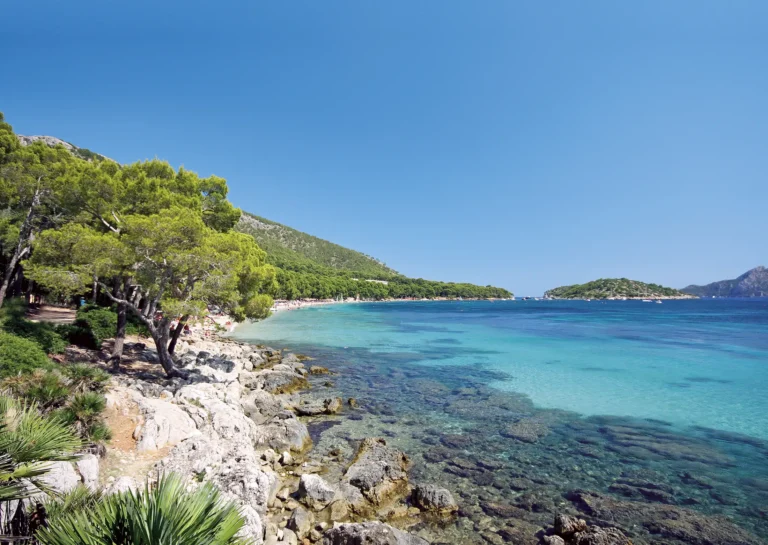
Formentor beach is one of the most beautiful images in northern Mallorca: light sand, turquoise waters, pine trees right down to the shore and the Serra de Tramuntana in the background. In this guide, we explain how to get there without dealing with traffic, when to go to avoid crowds and what to expect from one of the island’s most famous beaches.
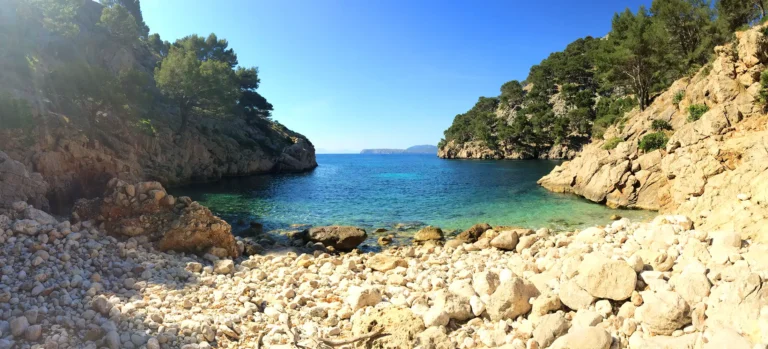
Cala en Gossalba is one of those coves that does not appear in travel brochures. It is hidden on the Formentor peninsula, between cliffs, pine trees and mountain slopes that drop straight down to the sea, and it can only be reached by walking for around 30 minutes along a steep path or by arriving from the sea. There is no sand, no beach bar, no lifeguard. What it does
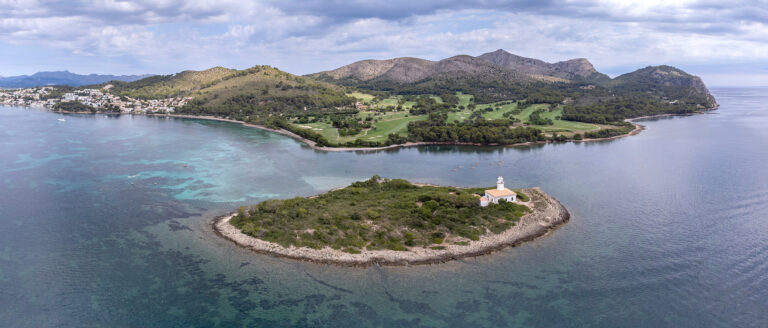
Alcanada Beach is not the best-known beach in northern Mallorca, and that is exactly what makes it so interesting. It is located three kilometres from the port of Alcúdia, facing a small islet with its own lighthouse, with pine trees reaching almost down to the shore and offering shade when many other beaches in the area are in full sun. It is a popular beach among local residents and families
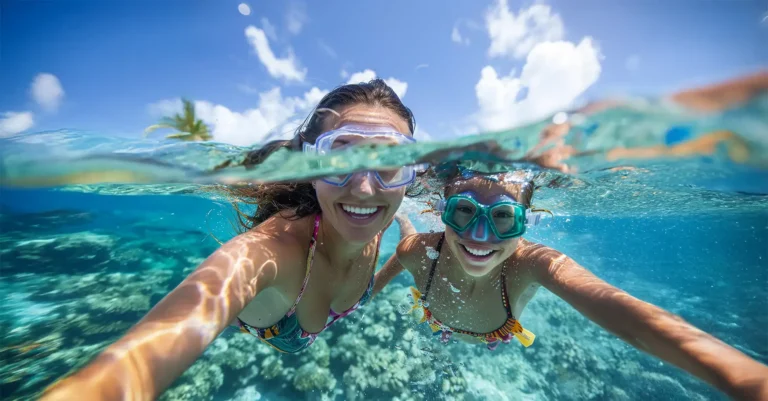
Snorkeling in Mallorca: Best Spots and Coves Mallorca is one of the top Mediterranean destinations for snorkeling, thanks to its crystal-clear waters, rich marine life, and the wide variety of coves and sea caves that surround the island. From easily accessible coastal spots to more remote, unspoiled locations, snorkeling in Mallorca offers a unique experience for both beginners and ocean lovers alike. Although snorkeling can be enjoyed from many beaches,