

Snorkeling in Mallorca: Best Spots and Coves
Although snorkeling can be enjoyed from many beaches, the best spots are usually found in more natural settings, with rocky seabeds and exceptionally clear waters where marine life is more abundant.
For this reason, more and more people choose to explore these places from the sea, often through boat trips in Mallorca, which provide access to unspoiled coves, less crowded areas, and snorkeling spots with optimal conditions. In this guide, we’ll show you the best places to go snorkeling in Mallorca and how to make the most of the experience.
Best areas for snorkeling in Mallorca
Snorkeling on the north coast of Mallorca

Cala del Coll Baix (Alcudia)
Coll Baix is one of the most spectacular coves on the north coast of Mallorca, located in the municipality of Alcudia, between the Bay of Alcudia and the Bay of Pollensa, in a completely natural setting surrounded by high cliffs. It’s one of those places that travelers consistently highlight for its wild landscape and crystal-clear waters, making it a great spot for snorkeling in Mallorca.
The seabed is mainly rocky, with areas where it’s easy to spot fish and enjoy excellent visibility, especially on calm days. Unlike other northern coves, it’s not usually overcrowded, which makes for a much more peaceful and authentic experience.
How to get to Coll Baix
The most common access is on foot via a forest track in the Alcudia area. The first part of the walk is easy, but the final stretch is more challenging, with uneven terrain and loose rocks, so proper footwear is recommended and it’s best to avoid the hottest hours of the day.
For those looking for a more comfortable option, Coll Baix is also one of the stops included in boat trips from Port d’Alcúdia. There are also options such as glass-bottom boat in Mallorca, which allow you to observe the seabed and reach different snorkeling spots without having to do the hike.
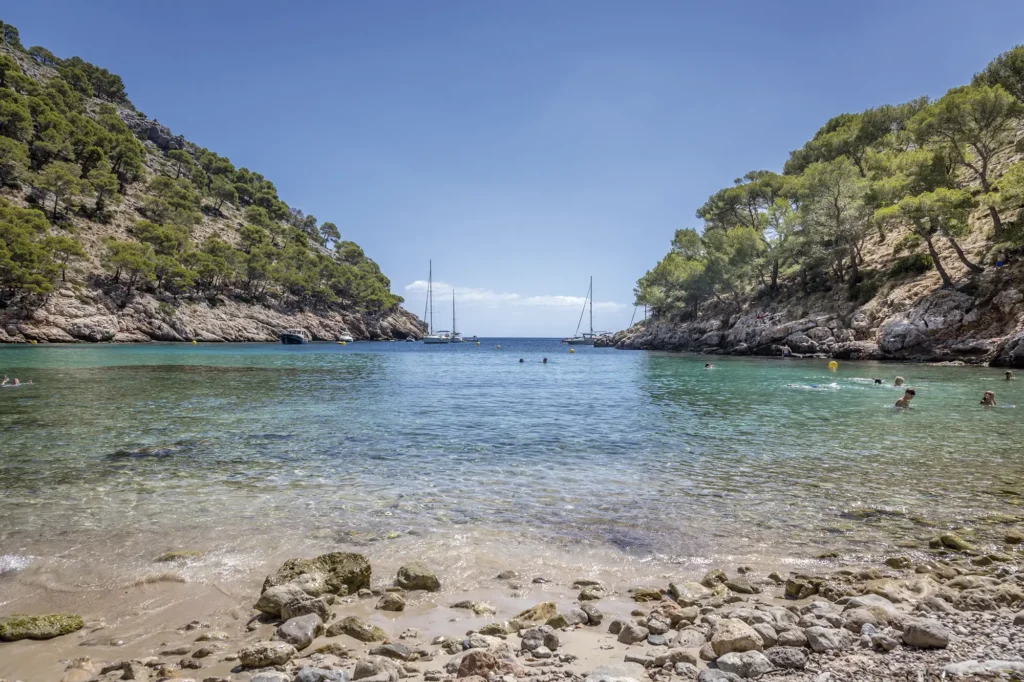
Cala Murta (Formentor)
Cala Murta (Formentor)
Cala Murta is a small cove located on the Formentor peninsula, in the north of Mallorca, within a protected natural environment surrounded by Mediterranean pine forest. It’s one of the quietest areas in this part of the island, known for its clear waters and lack of large crowds.
Unlike other more well-known beaches in Formentor, Cala Murta offers a much more relaxed atmosphere, making it a great place to go snorkeling at your own pace. The seabed combines rocky areas and seagrass, where it’s possible to spot fish and enjoy good visibility under normal conditions.
How to get to Cala Murta
Access is on foot via a path that starts from the Formentor road. The walk is easy and passes through a wooded area, making it quite manageable even on hot days.
It’s also possible to reach Cala Murta by sea, as some boat tours from Port of Alcudia include stops at nearby coves, allowing you to enjoy the surroundings without having to walk.

Cala Sant Vicenç (Pollença)
Cala Sant Vicenç, located in the municipality of Pollensa, is one of the best areas on the north coast of Mallorca for easy, hassle-free snorkeling. It’s actually a group of small coves, such as Cala Molins, Cala Clara, and Cala Barques, where the water is usually very clear and conditions are generally stable.
For snorkeling, the most interesting areas are away from the central zones, heading towards the rocky edges of each cove, where it’s easier to find fish and spots with greater biodiversity. The mix of sand and rock creates a well-rounded experience, ideal both for beginners and for those looking for something more.
How to get to Cala Sant Vicenç
Access is straightforward by car right to the cove area, with several entry points into the water and no need for walking. It’s a very convenient and recommended option for those who want to snorkel in Mallorca without long distances or demanding routes.

© Mirkaah · CC BY-SA 3.0

Aucanada (Alcúdia)
Alcanada, located just a few minutes from Port d’Alcúdia, is one of the most interesting areas on the north coast of Mallorca for snorkeling, especially if you’re looking to avoid more crowded beaches. Unlike the Bay of Alcudia, rocky seabeds dominate here and the water is usually very clear, which greatly improves visibility.
It’s a highly regarded spot for those seeking a quieter setting, with direct access to the sea and good conditions for spotting fish close to the shore. The combination of rock and seagrass creates small marine habitats where it’s common to find marine life, especially on calm days.
In addition, Alcanada offers open views across the bay and towards the small islet with a lighthouse just off the coast, adding an extra appeal to the experience.
How to get to Alcanada
Access is easy by car from Alcudia, and you can get almost right to the swimming area. It’s not a typical sandy beach, so wearing suitable footwear is recommended for entering the water comfortably.
It’s also close to boat excursion routes departing from Port d’Alcúdia. One of the most complete options is the catamaran tour in Mallorca, which allows you to explore the coastline, stop for swimming, and reach different snorkeling spots in a single trip.

Península de Formentor
The Formentor peninsula, located at the northern tip of Mallorca, is one of the most spectacular areas on the island for snorkeling. This setting, shaped by the Serra de Tramuntana, combines cliffs, deep waters, and secluded coves with exceptional clarity.
Along Formentor, you’ll find some of the best snorkeling spots on the north coast of Mallorca, especially in less accessible areas where the water is clearer and the surroundings feel much more unspoiled. It’s a highly valued area for those looking for a more authentic experience, away from the busiest beaches.
Among the most well-known spots is Formentor Beach, famous for its crystal-clear water and beautiful setting, ideal for easy snorkeling in quieter areas. There are also wilder and less accessible coves around the cape, such as Cala en Gossalba, where conditions are often even better for exploring the seabed.
How to explore Formentor
While some areas can be reached on foot, many of the best spots in Formentor require a bit of planning, either by hiking or accessing them from the sea.
For this reason, many boat trips to Formentor from the north of Mallorca explore this area, allowing you to discover different coves and snorkeling spots in a single outing, especially in places where land access is more limited.
Snorkeling on the east coast of Mallorca
The east coast of Mallorca, known as the Llevant area, is one of the most popular regions for snorkeling thanks to its abundance of turquoise-water coves and shallow seabeds. Unlike the north, sandy coves combined with rocky areas are more common here, making it easy to find good snorkeling spots without the need for long distances.
It’s a highly appreciated area for those looking for calm waters, good visibility, and easy access, although during the high season some of the more well-known coves can get busier.

© Olaf Tausch · CC BY 3.0

Cala Varques (Manacor)
Cala Varques, located in the municipality of Manacor, is one of the most highly regarded coves on the east coast of Mallorca thanks to its completely natural setting and exceptionally clear waters. It’s an unspoiled cove, with no buildings or facilities, making it especially appealing for those seeking a more authentic experience.
The water is usually very transparent, and the seabed combines sandy areas with rocky formations, creating an interesting environment for snorkeling. In addition, the surroundings feature small sea caves and rock formations that add an extra dimension to the experience, especially for those who want to explore beyond the shoreline.
How to get to Cala Varques
Access to Cala Varques is on foot via a path that starts from the road in the Manacor area. The walk is relatively easy, although it takes some time, which helps limit the number of visitors and preserves the natural setting.
It’s also a spot visited by some boat excursions, allowing access to the cove from the sea and offering a different perspective of the east coast.
Cala Romántica / S’Estany d’en Mas (Manacor)
Cala Romántica, also known as S’Estany d’en Mas, is one of the most accessible and popular coves on the east coast of Mallorca, located in the municipality of Manacor. Despite its easy access, it offers good conditions for snorkeling, especially around its rocky edges.
The cove features a wide sandy area and calm waters, making it ideal for combining swimming and snorkeling in the same spot. For those looking to explore the seabed, it’s best to head towards the rocky ends, where it’s easier to find fish and more interesting underwater areas.
How to get to Cala Romántica
Access is very easy by car, with nearby parking and direct entry to the beach, making it a convenient option for all types of visitors.
In addition, some boat excursions along the east coast pass by this area, allowing you to see the cove from the sea and reach nearby spots with better snorkeling conditions.

Cala Agulla (Capdepera)
Cala Agulla, located in the municipality of Capdepera, is one of the most well-known beaches on the east coast of Mallorca. It stands out for its wide stretch of sand, turquoise waters, and natural surroundings framed by pine forest.
Although most of the cove has a sandy seabed, it also offers interesting snorkeling opportunities if you explore its rocky edges. In these areas, especially on calm days, it’s possible to spot fish and enjoy better visibility.
It’s a fairly busy beach during the high season, so those looking for a quieter experience or greater marine biodiversity often choose less crowded nearby spots or explore the edges of the cove itself.
How to get to Cala Agulla
Access is easy by car from the Cala Ratjada area, with nearby parking and direct access to the beach.
It’s also included in some coastal boat routes, which allow you to discover nearby areas with better snorkeling conditions.

Cala Mendia (Manacor)
Cala Mendia, located in the municipality of Manacor, is one of the quieter coves on the east coast of Mallorca and a good option for snorkeling in an accessible, low-effort setting. Although it’s less well known than other nearby coves, it offers pleasant conditions for enjoying the sea at a relaxed pace.
The cove combines a sandy area with rocky sections at both ends, which are the most recommended spots for snorkeling. In these areas, it’s possible to find small fish and more interesting underwater features, especially on calm days.
It’s a great choice for those looking to avoid the more crowded coves in the area and enjoy a more laid-back experience, without giving up good conditions for swimming and snorkeling.
How to get to Cala Mendia
Access is easy by car, with nearby parking areas and direct access to the beach, making it a convenient option for all types of visitors.
Snorkeling on the west coast of Mallorca
The west coast of Mallorca, shaped by the Serra de Tramuntana, is one of the most spectacular and unspoiled areas of the island. Unlike the north or east, cliffs, rocky coves, and more limited access points dominate here, creating a much more natural and less crowded environment.
It’s an especially interesting area for snorkeling in Mallorca thanks to the clarity of the water and its rocky seabeds, where marine life is easier to spot. However, conditions can be more variable than in other parts of the island, as this is open and more exposed sea.
In this part of Mallorca, you’ll find some of the most impressive coves on the island, from iconic spots like Sa Calobra to small hidden coves where snorkeling can be excellent on calm days.

Sa Calobra / Torrent de Pareis (Escorca)
Sa Calobra, located in the municipality of Escorca, is one of the most iconic places in Mallorca and one of the most spectacular spots in the Serra de Tramuntana. Here, the Torrent de Pareis meets the sea between towering rock walls, creating a unique setting that stands out both for its scenery and for its swimming and snorkeling conditions.
Although the central area is deeper and more open, the rocky edges offer good spots for snorkeling, with clear waters and the presence of fish, especially on calm days. It’s a place more suited to enjoying the surroundings and combining it with some snorkeling rather than focusing purely on underwater exploration.
It’s a very popular location, particularly during the high season, so it’s advisable to avoid the middle of the day if you’re looking for a quieter experience.
How to get to Sa Calobra
Access can be by road through the Serra de Tramuntana or by boat from different points along the north coast of Mallorca, with the latter being one of the most convenient ways to reach it.

Cala Tuent (Escorca)
Cala Tuent, located in the municipality of Escorca, is one of the quietest coves on the west coast of Mallorca and an excellent option for snorkeling in the Serra de Tramuntana. Unlike Sa Calobra, it tends to be less crowded, allowing you to enjoy the surroundings in a more relaxed way.
The cove has a predominantly rocky seabed and very clear waters, especially on calm days, which enhances visibility and makes it easier to spot fish near the shore. It’s a highly valued spot for those looking for a more peaceful experience in a spectacular natural setting.
How to get to Cala Tuent
Access is possible by car via the Tramuntana road, although the journey is long and winding. It can also be reached by boat from various points along the north coast of Mallorca, which is a common and comfortable way to explore this part of the coastline.

Cala Deià (Deià)
Cala Deià, located in the municipality of Deià, is one of the most well-known coves on the west coast of Mallorca and a very representative spot of the Serra de Tramuntana. It’s a small rocky cove surrounded by mountains and vegetation, with a very distinctive and authentic atmosphere.
The water is usually very clear, and the rocky seabed allows for snorkeling along its edges, where it’s easier to find fish and more interesting underwater areas. It’s not a particularly large cove, so it can get quite busy during the high season, but it still remains a good place to enjoy snorkeling in this part of the island.
It’s also one of the few coves in the Tramuntana area with nearby facilities, making it more accessible than other more remote spots along the west coast.
How to get to Cala Deià
Access is via road from the village of Deià, with a final stretch descending down to the cove. It’s possible to reach it by car, although parking can be limited during the high season.

Port des Canonge (Banyalbufar)
Port des Canonge, located in the municipality of Banyalbufar, is one of the most authentic areas on the west coast of Mallorca and a great place for snorkeling in the Serra de Tramuntana. Unlike more well-known coves, it has a much more local and peaceful atmosphere.
It’s a small rocky cove with very clear waters and a rocky seabed, which enhances visibility and makes it easy to spot fish near the shore. It’s particularly suitable for snorkeling on calm days, as being open sea, conditions can vary.
The setting, with traditional houses by the sea and the mountains dropping straight down to the coastline, reinforces the feeling of a less touristy spot that truly represents this part of the island.
How to get to Port des Canonge
Access is by road from Banyalbufar, with a final stretch of winding turns leading down to the small coastal settlement. It’s possible to get there by car, although access is more limited compared to other areas of Mallorca.

© tinto · CC BY-SA 2.0
Port de Valldemossa (Valldemossa)
Port de Valldemossa, located in the municipality of Valldemossa, is one of the quietest and least crowded spots on the west coast of Mallorca. It’s a small rocky cove surrounded by cliffs and vegetation, with a setting that perfectly reflects the character of the Serra de Tramuntana.
The water is usually very clear, and the rocky seabed provides good conditions for snorkeling, especially along the sides of the cove and in slightly deeper areas. It’s an ideal place for those looking for a more relaxed and authentic experience, away from the more touristy areas.
As with the rest of the west coast, sea conditions can vary, so it’s best to choose calm days to fully enjoy snorkeling.
How to get to Port de Valldemossa
Access is by road from Valldemossa, with a steep descent down to the coast. It’s possible to reach it by car, although the road is narrow and winding, typical of this part of the Tramuntana.
Snorkeling on the south coast of Mallorca
The south coast of Mallorca is quite different from the rest of the island, with more open areas, sandy beaches, and generally calmer waters. Even so, it still offers some interesting spots for snorkeling, especially in coves with rocky formations and in areas that are less exposed to the wind.
In this part of Mallorca, easy access and stable conditions are the norm, making it a good option for those looking for simple and comfortable snorkeling. However, to find the best underwater spots, it’s important to move away from the more sandy areas and explore the rocky edges of the coves.

© laempel · CC BY-SA 2.0
Cala Pi (Llucmajor)
Cala Pi, located in the municipality of Llucmajor, is one of the most well-known coves on the south coast of Mallorca and a great option for combining swimming and snorkeling in a very distinctive setting. The cove is set between high cliffs and usually has calm, sheltered waters.
Although much of the seabed is sandy, the rocky edges offer more interesting spots for snorkeling, where it’s possible to see fish and enjoy better visibility. The enclosed shape of the cove means the water is often calm, making it especially suitable for beginners.
How to get to Cala Pi
Access is by car to the village of Cala Pi, followed by a descent down a set of stairs to the beach. It’s relatively easy to reach, although the walk back up can be a bit more demanding.


Cala Beltrán (Llucmajor)
Cala Beltrán, located in the municipality of Llucmajor, is one of the wildest and least accessible coves on the south coast of Mallorca. It lies in a cliffside area where the natural environment remains almost untouched, making it a very special place for those seeking tranquility and good snorkeling conditions.
The water is usually very clear, and the seabed is mainly rocky, with areas where it’s easy to spot fish and enjoy excellent visibility. As it’s not a crowded cove, the experience feels much more authentic, especially on calm days.
How to get to Cala Beltrán
Access is on foot via dirt paths in the Llucmajor area, with a route that can be challenging in some sections. This difficulty of access is precisely what keeps the cove relatively uncrowded.

© cayetano · CC BY-SA 2.0
Cala Delta / Maioris (Llucmajor)
The Cala Delta area, located in the municipality of Llucmajor, is one of the best spots on the south coast of Mallorca for snorkeling outside the more well-known coves. It’s an area of low cliffs with direct access to the sea, where rocky seabeds dominate and the water is usually very clear.
Unlike other, sandier parts of the south coast, snorkeling here is much more interesting, as the rocky formations create small habitats where it’s common to find fish and enjoy good visibility. It’s a highly valued spot for those familiar with the island who are looking for less touristy locations.
It’s not a traditional cove, but rather direct access to the sea from the rocks, giving it a wilder and more distinctive character within the south coast.
How to get to Cala Delta
Access is by car to the residential area of Maioris, from where you can walk to different entry points into the sea. It’s relatively easy to reach, although it’s not signposted like a conventional beach.
In summary: the best areas for snorkeling in Mallorca
Mallorca is an outstanding destination for snorkeling thanks to the variety of landscapes and coastal environments it offers. From the wild coves of the Serra de Tramuntana to the more accessible areas of the east and south, there are options for every type of plan and experience level.
If you’re looking for a more spectacular and unspoiled experience, the coves along the north and west coast offer the most interesting seabeds and clearest waters, although they often require more effort to reach. On the other hand, the east and south coasts stand out for their easy access and calmer conditions, ideal for enjoying snorkeling without complications.
In any case, choosing the right location and sea conditions will make all the difference. Exploring rocky areas, avoiding the busiest spots, and heading out on calm days are key to getting the most out of snorkeling in Mallorca.

Son Serra de Marina is a small coastal settlement at the southern end of the Bay of Alcúdia, with a quiet, uncrowded beach. The Serra de Llevant and the Necropolis of Son Real are just a few kilometres away.

Colònia de Sant Pere is a quiet coastal village in the municipality of Artà with a residential character and no mass tourism. Its seafront promenade, views of Cap Pinar and proximity to the Llevant Natural Park make it an ideal base for exploring the northeast.
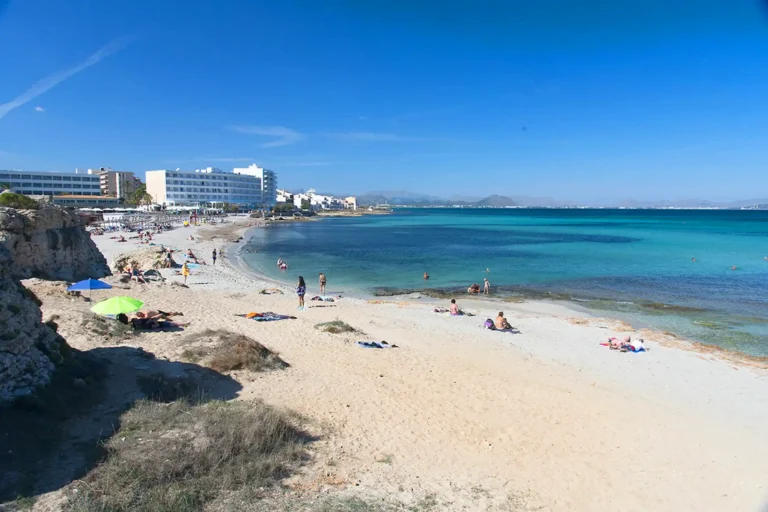
Can Picafort is the resort at the southern end of the Bay of Alcúdia, with 4 kilometres of fine sandy beach and a seafront promenade. The Alcanada Islet with the Aucanada Lighthouse can be made out from the shore on clear days.
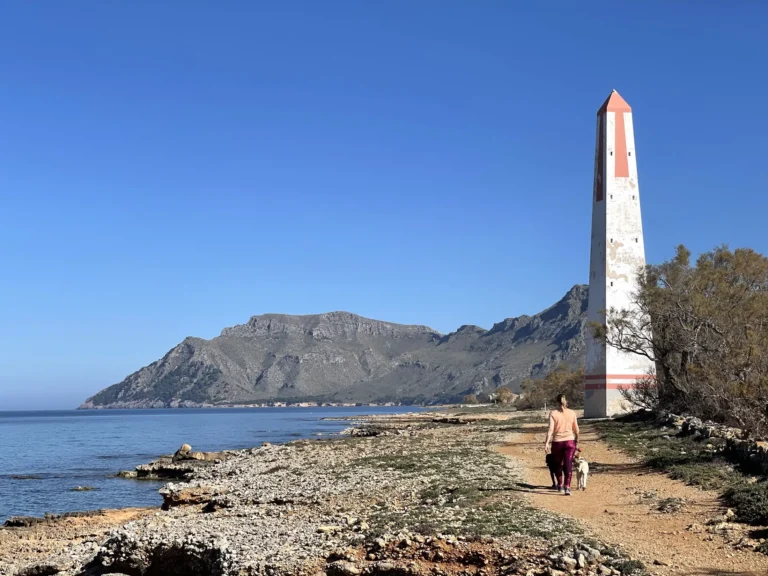
Betlem is a quiet coastal settlement in the municipality of Artà, in northern Mallorca. No town beach, but a rocky coastline and access to the Llevant Natural Park just a few kilometres away.
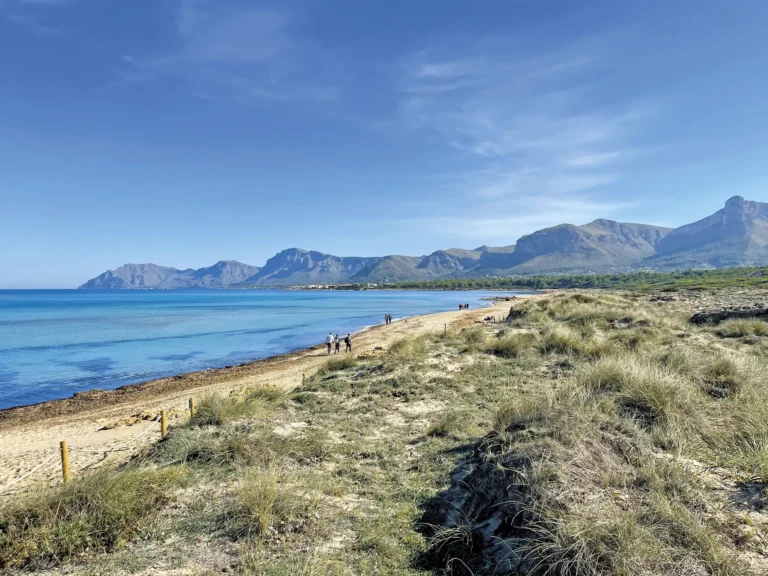
Artà is a municipality in northeastern Mallorca with an inland old town and an unspoilt coastline. It is not a beach town but a gateway to the Llevant Natural Park and the wildest coves of the east coast.
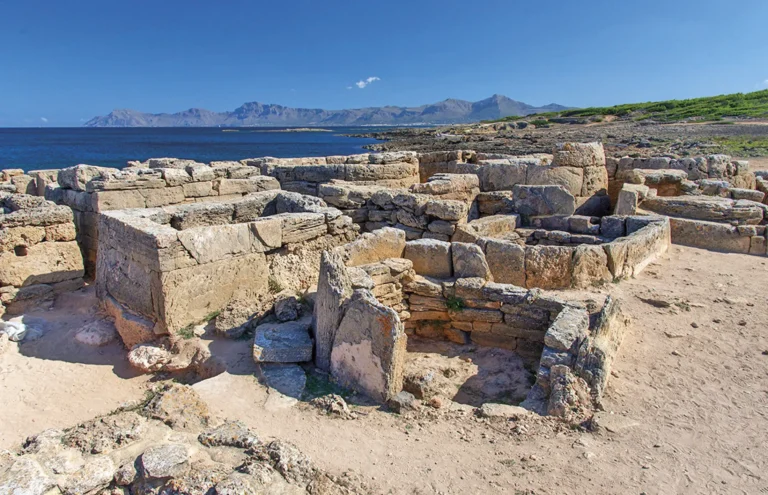
The Necropolis of Son Real is one of Mallorca’s most important archaeological sites, with 143 Talayotic tombs on the coast of the Bay of Alcúdia. It sits just metres from the sea and can be seen from our boat trips.